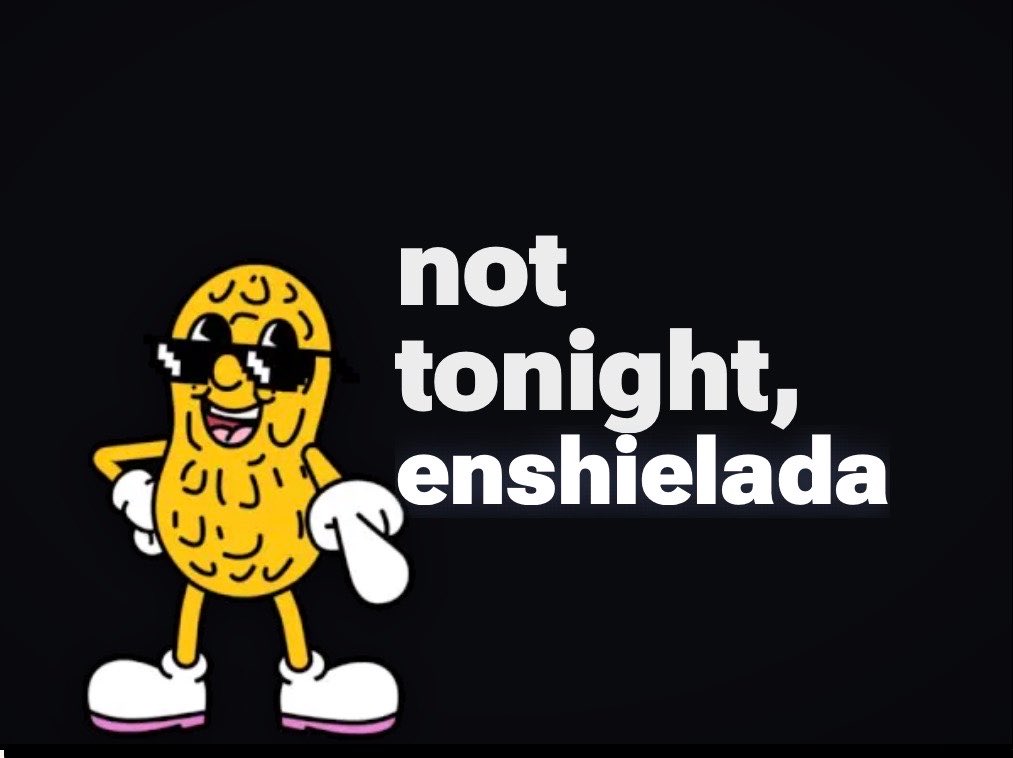
so i was doing 3 airtm transactions and losing 3-4% every single time
today i found out i can just add my funds to @joinpeanut, pay
Do I have cookies on my portfolio? I'm a marketer, what do you think.
This site sets zero actual cookies. The one you just clicked is decorative, like a lot of things in marketing.
But I don't do decorative data. I connected PostHog, so I know who visits, when, and how long they stay.
Not a deal, not a brief. Peanut fixed my everyday problems with payments abroad, so I posted it.
No hook, no planning. Three transfers, a bad rate, and the app that ended it. People started asking for the link.

The referrals kept coming, so I went to the source.
I wanted to know how they built it, so I sat down with the founder and recorded the conversation.
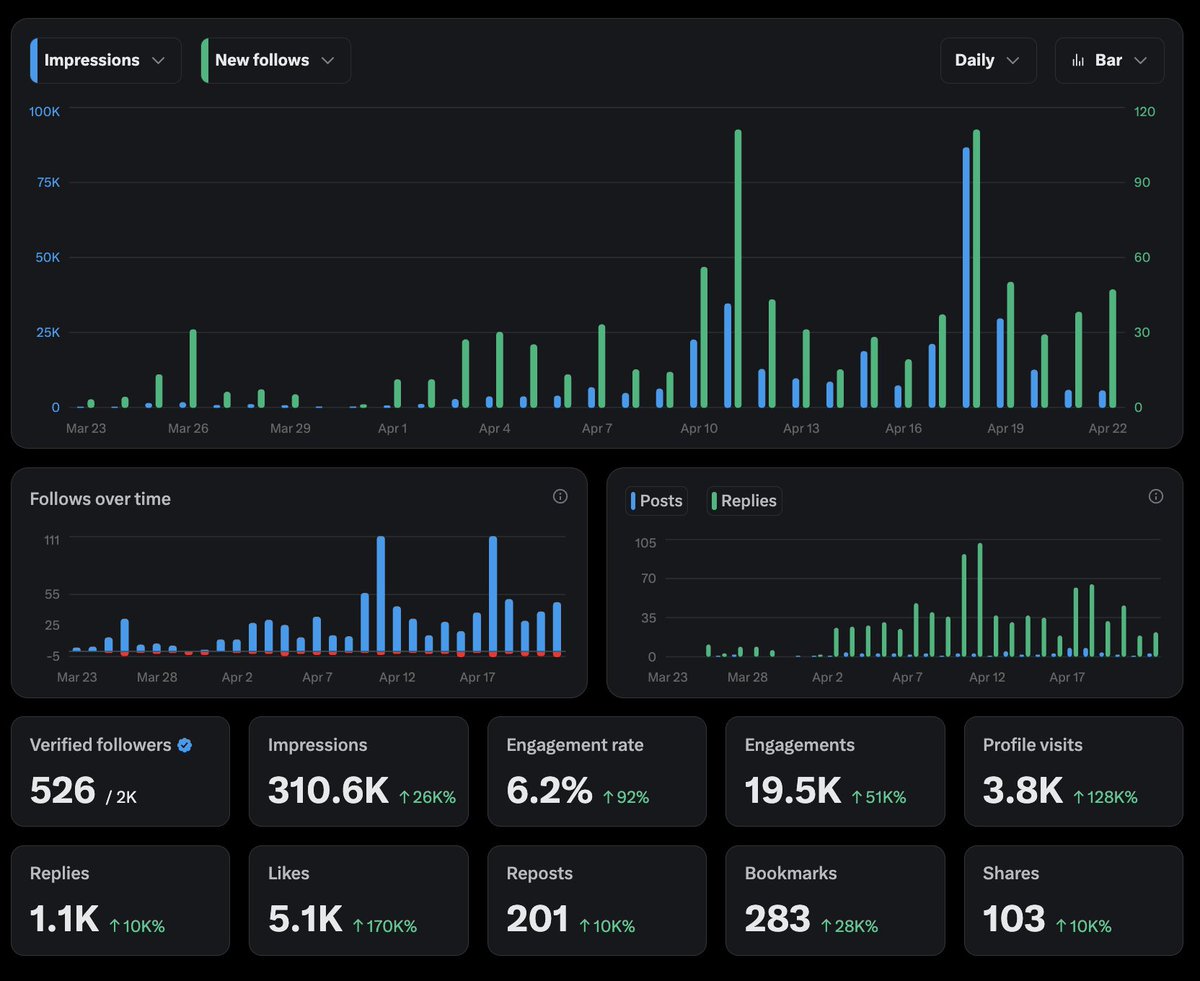
Each dot is one person. 130+ people moved their money to an app because someone they follow uses it. No ad spend, no giveaway. That's what a personal brand does when the product is actually good.
The job: the lineup and the hooks. And we played the rage bait: I staged my own rejection from the card, and the timeline took it.
Months of shilling the app for free, then the card launches and I don't get one. That was the bit. The rejection tweet alone did 12.2K views.


I found the creators, matched each one to an angle, briefed them, and ran the whole activation. No scripts, no copy-paste captions. They posted in their own voice, because the point was that it shouldn't look like a campaign.


Then I wanted a job in crypto, and everyone told me the same thing: the way in is a personal brand. So I started posting.
In under a year I was signing brand deals and getting paid to post. People ask how it happened, and I think it's the advertising. A post is just an idea that has to land fast, in a small format, and make someone feel something.


My three most viral posts. Not sponsored, not boosted, over 2.5 million views between them.


I came in to run the Instagram and post about a gin festival. It took about two weeks to see the actual problem: the whole thing was built to sell tickets, and tickets were never going to pay for it.
I needed the biggest names in the industry. No warm intros, no agency. I opened LinkedIn and started messaging the people who ran marketing at the brands I wanted.
Those cold messages turned into the sponsorships that anchored the festival: Bombay Sapphire, Schweppes and Fever-Tree, three brands that alone covered 30% of the total budget. Under them, I grew the exhibitor base to 50+ gin brands through B2B partnerships.


A festival like this gets funded by the brands, not the door. They pay to put their gin, their tonic and their name into thousands of hands for one night. The real customer was the industry.
I went from running social media to Commercial & Marketing Director, because the plan that turned the festival into a real company was mine.
That meant owning the commercial side: sponsorships, the exhibitor pipeline, event sales, planning, and the accounting behind all of it.
The second edition took over La Rural in Buenos Aires: more than 30 distilleries, 63 gins to taste, food, four DJs and Los Tipitos live. A rebrand of the first event, which had already pulled a 3,000-person crowd at the Hipódromo de Palermo.


Beyond the model and the sponsors, I ran the commercial and marketing operation.
Advertising, social and email campaigns that doubled ticket sales. And a team of 25 across brands, social media and content.
The job was growth and email marketing. Within a few months it turned into product marketing, because every experiment kept pointing at the same thing: the emails, the ads and the product weren't talking to the same person.
Marketing was writing for one persona. Sales was chasing another. Product was building for a third.
Venngage was going up against Canva. Competing template-for-template was a fight you lose slowly. The wedge was data visualization: the one thing Venngage did better than a general design tool. So that became the story. Then we tested it.
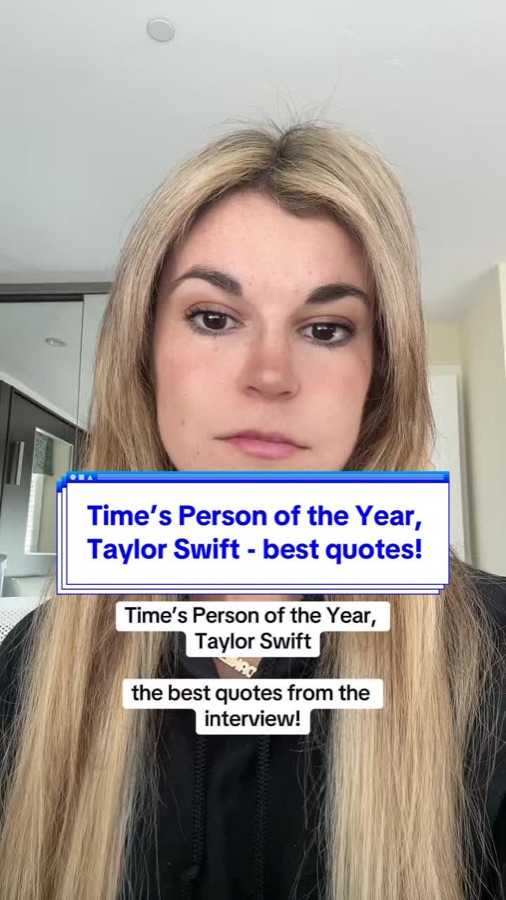
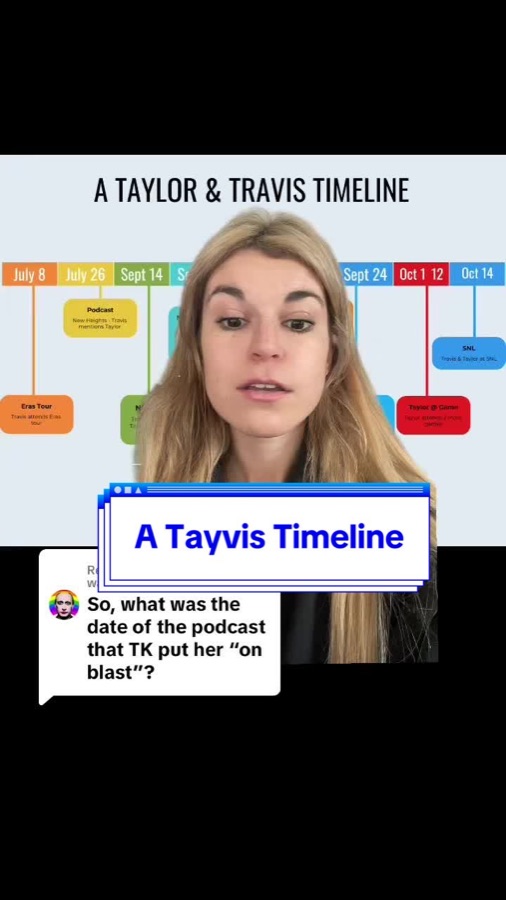
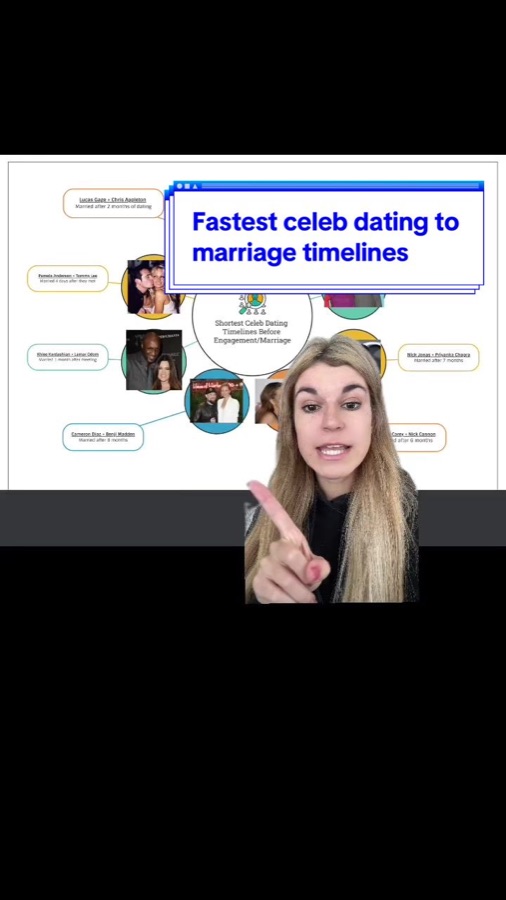
I set up a UGC content engine. The videos pointed straight at what the audience was already watching: Taylor Swift's Time cover, celebrity marriage timelines, the Taylor and Travis story. Same product, told through pop culture instead of spreadsheets.
We were building for HR and ops managers. The people sharing these videos, and the people in the replies asking how to make one, were students. The ICP stopped being a guess.
The easy move was to keep chasing whoever had a credit card.
We met students where they already were: partnerships with universities and high schools, putting Venngage in front of them through the institution instead of asking a broke 20-year-old to expense a subscription.
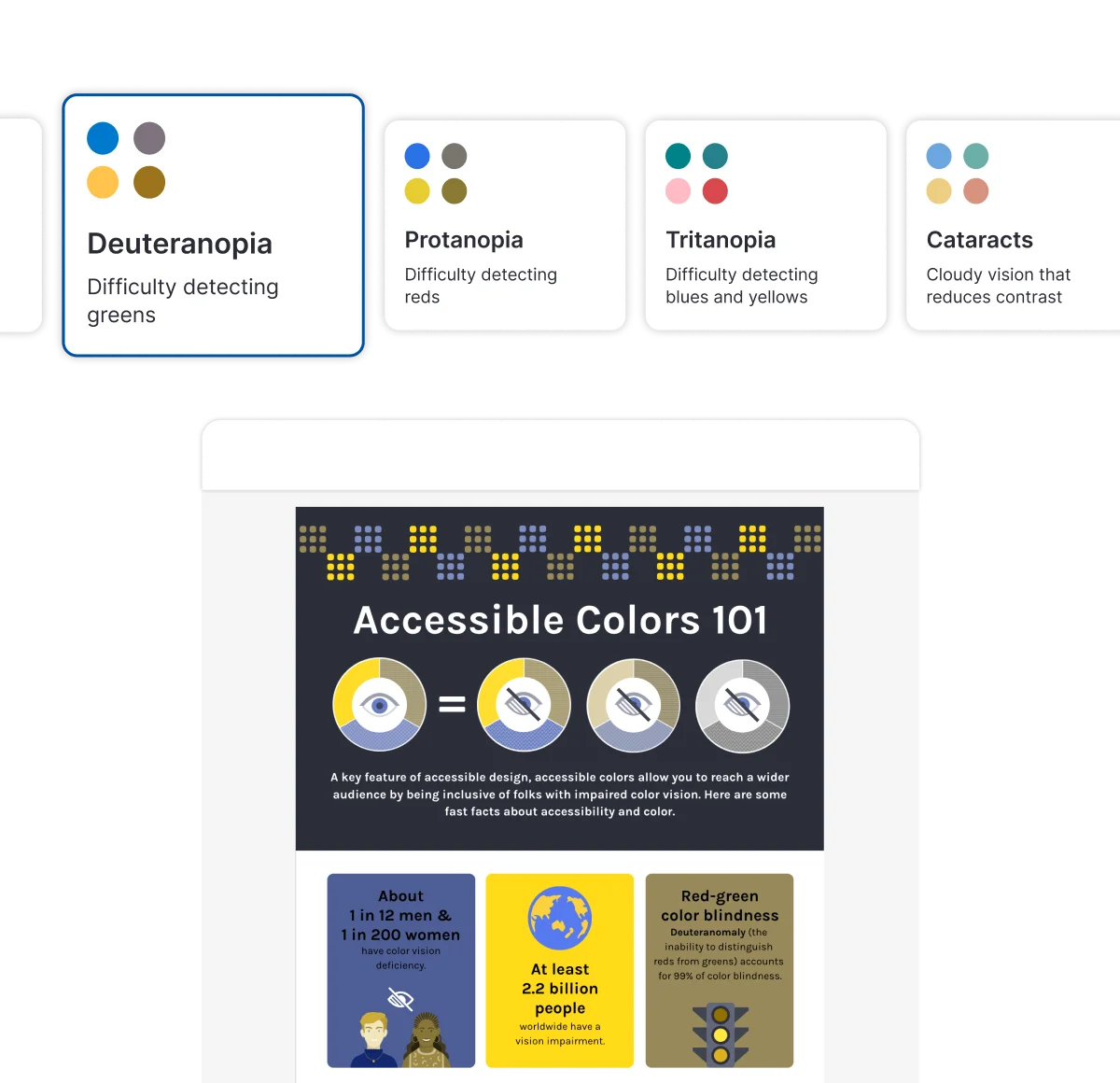
At the same time, accessible websites stopped being optional. Charts and infographics are some of the hardest things on the web to make accessible.
So we built the accessibility features, and marketed that as a real reason to choose Venngage over the generic option.


Marketing Operations Director at Coinspect, the crypto security firm that audits smart contracts. I built the B2B pipeline, ran the MetaMask partnership end to end, and translated the hard technical work into plain language people could actually buy.
Qualified pipeline grew 60% that year.
From first touch to signed audit, one pipeline.
Coinspect tests the security of crypto wallets and publishes the scores. I supervised the UX of the ranking and built the content engine around it.
A partnership between the security firm and the biggest self-custody wallet in crypto: the security ranking, the writing, the co-marketing.

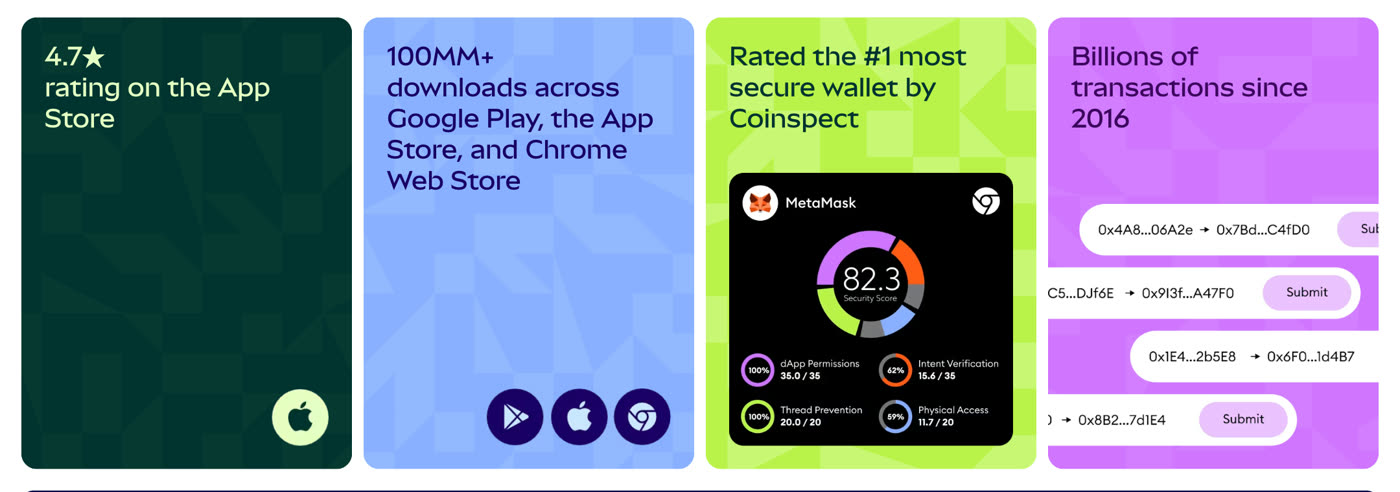
MetaMask puts this card on their own homepage: their score, from our ranking, under a headline that names Coinspect.
Security research translated for the people who decide: how wallet security keeps you safer against scams, and how the ranking methodology works.
I joined Sophon as Ecosystem Product Marketing Manager: positioning, copy, go-to-market, lifecycle and content for a consumer crypto app built from zero.
Personalized place settings with each name projected in light. The Sophon sky wrapping the whole room. A card holder with a personalized card for each guest, and a token to exchange in the app.

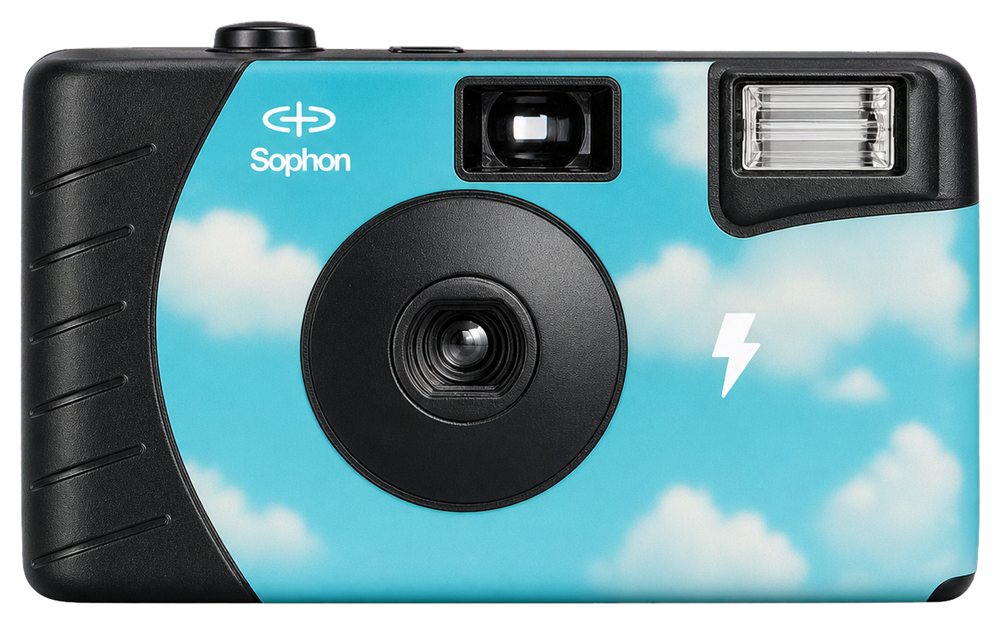
Most launch swag ends up in a drawer. We gave the one thing this audience would actually use to keep making content: a camera.
It kept the card and the Sophon world showing up in feeds for weeks after everyone went home.
The event went viral, no paid promotion. That was the design: every action and every piece of merch was designed content first, imagining the post it would produce before deciding the idea.
The Aura Genesis experiment: one jacket, one auction, one leaderboard.
The jacket, physical plus NFT, went to the highest onchain bidder. Half of the final bid became a prize pool for whoever the community decided had the most aura: every user got three upvotes and three downvotes, and the final rankings set each share.

Everything from the app's first onboarding words to every campaign around it.

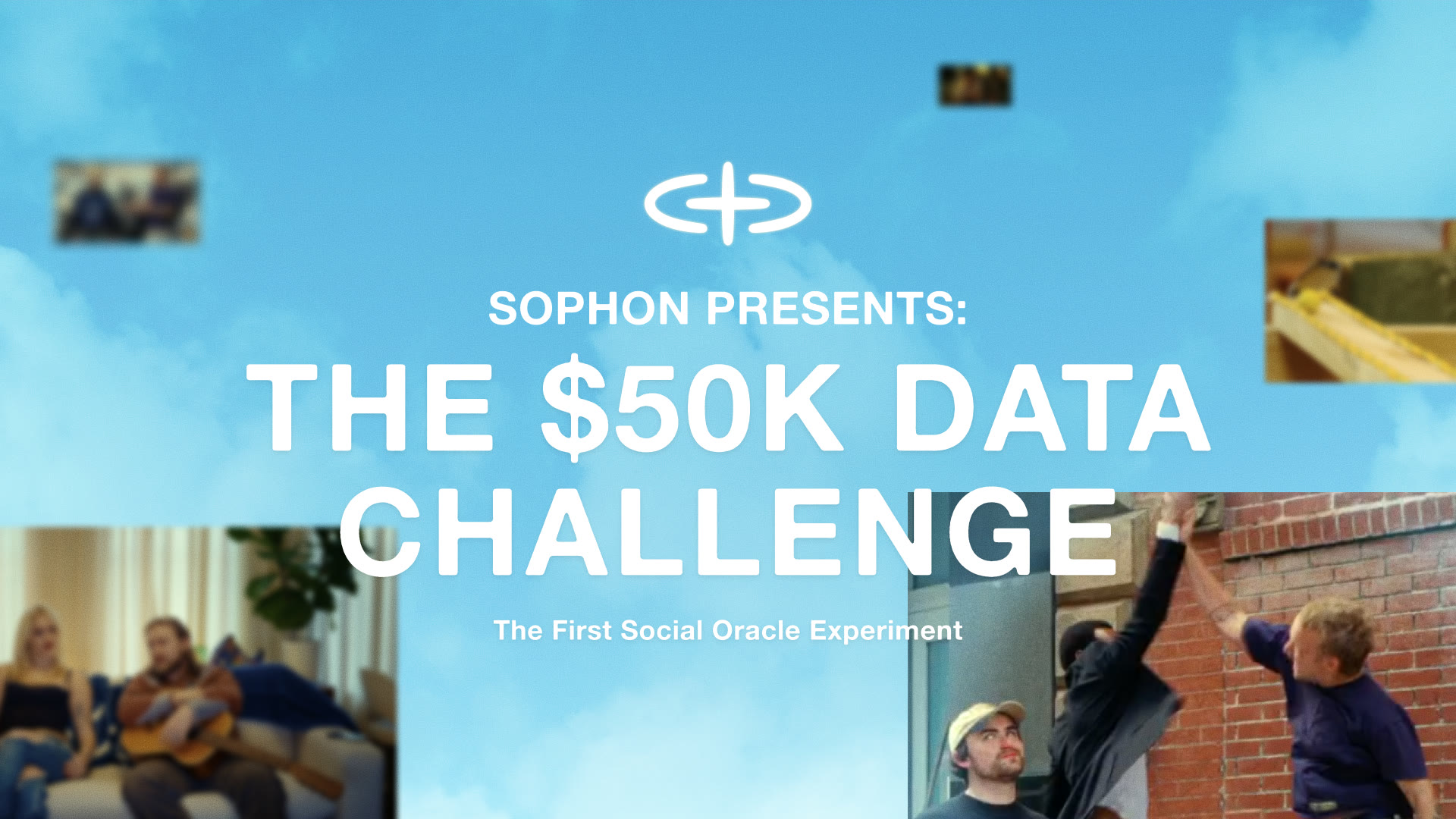
Long-form explainers translating the deep tech, zkTLS, the Social Oracle, lifestyle crypto, into language people read. Written by me, published by Sophon.
Beyond the announcement, the brand lived on film: the launch commercial and the merch drop, both built so a crypto app could feel like culture.
Google Analytics in one tab, Kaito, Sprout Social, each with its own login and its own bill. I put an agent on all of it.
Below is one day of a market's timeline. Every dot is a post. The sweep separates it: four small clusters you'd stop scrolling for, and the big pile you wouldn't.
It sweeps on a loop, groups the posts into narratives, drops what the brand doesn't care about, and ranks what's left into one brief.
One real day for one brand, names stripped. The agent read four hundred posts and kept the three that needed a decision.
Beyond the daily triage it compiles the periodic read: what reached, what landed, what to do. Everything below is one real window from one brand. An example of the findings it hands you, not a law.
Point it at a list of competitor accounts and it tracks what they launch, what angles they push, and which of their posts get replies.
The report tells you what is working for them, the topics nobody in the category covers, and the questions people keep asking that nobody answers. That's where the content opportunities are.
These four are from one brand's week:
the-gossip/ ├── agents/ the 11-agent crew ├── scout/ X + Reddit sweeps ├── report/ one command, 7 steps ├── calibration/ critiques + lessons ├── memory/ voice canon + targets ├── skills/ 19 portable skills ├── governance/ the librarian ├── docs/ the runbook ├── data/ run state + metrics ├── voice-examples/ bangers + flops └── tests/ 40 tests · zero dependencies
A builder amplify · someone shipped on your product B direct question · a real user asking, unanswered C ecosystem milestone · news your audience cares about D misinfo / scam · impersonation, referral spam + education signals · what people keep not understanding + competitor watch · launches, angles, replies landing × noise · dropped before a human ever sees it
The same tools surface the same leads. Personalized messages get replies, but the research behind them is time-consuming, so nobody does it.
The homework is 20 to 30 minutes per qualified lead, half a day for ten. The alternative everyone picks: one identical message to 500 strangers and a reply rate under 5%.
Companies write down what hurts, in job ads, announcements and reviews. Including the problem your clients pay you to fix. You just have to be reading.
The ICP becomes a scoring rubric. From there it finds companies with live buying evidence and drafts a first message that opens with the proof.
A trigger tells you something changed. The pain read tells you what to say about it. Before it writes a word, it analyzes the company's own public information, the careers page, the homepage copy, the reviews, the tech they list, and infers the specific problem they're living with right now.
So the opener isn't "hey, I like what you do, let's connect synergies."
A cold template could be sent to anyone. This one gets taken apart and rewritten:
A real run. Input: the URL of a UK managed IT provider, nothing else.
Every company is scored against the rubric, 0 to 100, and tiered. If a fact can't be verified, the field stays blank.
outreach-engine/ ├── new_client.py ★ onboard a client ├── score_leads.py ★ scores the leads ├── generate_messages.py ★ writes the messages ├── apply_research.py merge stalk results back o… ├── enrich.py LinkedIn URL →︎ emails ├── triggers.py careers-page hiring scrape ├── notion_db.py ★ builds the Notion board ├── run.py chain the stages ├── research/ │ ├── LEADGEN_RUNBOOK.md ★ the LinkedIn sweep │ ├── RESEARCH_SOP.md the research SOP │ └── BUILD_ICP.md build the ICP ├── clients/ │ ├── _template/ starting point · reference… │ └── techchain/ first real client · crypto… └── output/ everything generated lands…
Most of the work is the hunt for the right tweet to reply to. So I automated the hunt, that part I built fast. Making the replies actually good is what this project became about.
The first versions wrote replies that read like slide titles. Smart-sounding, empty, and everyone scrolled past them. Closing that gap took calibration, kill-lists, and rewrites.
A specific set of kill-checks, each catching a way a reply goes empty. The demo runs a thesis-slop draft through the gate.
When a reply sounds bad, the problem is almost always the tweet it answers: nothing specific to react to. So every target clears seven checks before a reply is written.
If any answer is shaky, the target is cut. Volume is never the goal: ten good replies over twenty mid ones.
By default, the agent drafts. A human posts.
Retuning is fast. Personality up or down, product mentions more or less frequent, banned words swapped, humor on or off. A brand asks for drier, and drier ships the next day.
And when a brand wants personality, the funniest replies are the human ones, not the clever ones:
It also suggests memes when a moment calls for one, the format, the reference, and the caption, so the brand can drop an image reply instead of another line of text.
Automated posting gets accounts flagged because bots act like bots: instant, perfect, always on the exact same schedule. So I humanized it. Here is one being written.
It types at a variable speed. It makes the occasional typo and corrects it. It pauses, drafts, and sometimes deletes before sending. Its timing is irregular, not on a clock. To X, it reads as a human at a keyboard.
I ran it for four months on a brand that wanted to trial full automation. Across that window it was never flagged, never rate-limited, never restricted. It simply looked like someone replying.
But everything you need is already public: every pattern, every tic, every belief is sitting in what they already wrote.
What you post on social media says more about how you think than you realize. The casing, the punctuation, the jokes you repeat, the things you never say. Analyze enough of it and you can rebuild the voice, and a good part of the person behind it. I turned that analysis into a system.
This is how I sell the service. I pick who I want to work with, run their handle through the agent, and send them their reading. No pitch, no deck. Nobody can ignore a page that says something true about them.
The reading covers who they are, what they believe, the eras they've moved through, and the thing they don't say out loud.
Even the one you barely use. This chart is from my own reading.
Every dot is a voice my account runs, mapped by how often I use it and how hard the audience responds.
Bottom right is the saturation field, what you post all the time for a normal return. Top left is the latent pull field. Mine is the porteña. 75 posts, and it out-lifts lanes twice its size. More rewarding than I had noticed.
This is that reading, section by section, with what each one does and what it found. Every prose line has to run a named psychological technique, and every claim needs a receipt.
Every reading opens like a lab result: what was read, over what window.
One line that names you, before any data. Then three placements, like a natal chart.
The five voices the account runs, charted. One always outperforms. Mine is the chart above: five voices, and only the porteña sits in the latent pull field.
The finding, in plain numbers. Mine: the average hides everything.
Six sentences about the person, never about the account.
Five claims, each anchored to a verbatim tweet, so it can't read as a horoscope.
The shadow. The strongest section: the thing you are and won't name, with the tell that gives it away.
Share of corpus per topic. The math rarely matches the brand.
The reading ends with demo posts in your exact voice, each with the move, the format and a predicted lift.
reagent/ ├── src/agent/ stages 0–4 + gate ├── src/voice/ the replication engine │ ├── replicator/stylometric/ the stylometrics │ ├── blender/ blends two voices │ └── scoring/ 0–25 fidelity · LLM j… ├── src/pipeline/ scrape · eras · verba… ├── src/tools/ deterministic QA ├── src/generation/ all the surfaces ├── src/signal/ the CIA cycle ├── src/prediction/ reception simulation ├── src/calibration/ calibration loops ├── src/governance/ the hard rules ├── src/api/ the endpoints ├── knowledge/ the methodology, the… │ ├── dossier/ the psychology dossier │ ├── archetypes/ 12 types + shadow │ ├── persuasion/ the persuasion stack │ └── patterns/ 60+ phrasal patterns ├── prompts/ versioned prompts ├── data/ per-client, gitignored ├── docs/ the deep-dive docs ├── strategy/ the business plan ├── site/ the site + private re… ├── tests/ the test suite └── LICENSE the recipe stays clos…
Every reading ends the same way: three posts in your exact voice, ready to publish, projected against your own best-performing cluster. Not advice. The actual work, done. Your voice handed back to you, sharper.
The short version of the architecture doc. How the clone gets built, how it learns a market, and why the psychology isn't vibes.
Podcasts, launches, events, tutorials, founder takes. All of it needs distribution, and the voice changes depending on who's writing that day.
So I built the intern. Now anyone in the network can ship sounding like Myosin, the posting runs itself, and a human stays in the loop to approve every post and calibrate the agent.
Every draft is scored 0–25 against the brand's voice before it can ship.
I pulled everything Myosin had already written and looked for the patterns. That became the voice: a 343-line playbook, plus the anti-slop filters that block anything that sounds like a machine.
The whole loop, the part that normally lives across six tools and three people's heads, running on the rules I gave it: what makes a clip, where to cut, how the caption reads.
There are a lot of clipping tools out there, and the team had tried them. This one replaced the one we paid for.
| # | clip | why we picked it | pick | length | validation |
|---|---|---|---|---|---|
| 1 | 01-hermes-cuts-clipsopens on “these clips were also done by Hermes” · closes on “…around 20 minutes.” | Meta proof point: the guest says Hermes cut these clips locally in ~20 min. Shows what the pipeline enables. | TOP PICK | 35.3s | Partial. Duration, in-point and speaker bleed pass. Close line keeps a trailing “So”, accepted for ship. |
| 2 | 02-fifty-min-to-postsopens on “What my Hermes agent is doing…” · closes on “Same is happening on LinkedIn.” | The operator workflow: Fathom, cut, Obsidian drafts, X + LinkedIn for the week. Best “how it runs daily” clip. | yes | 44.8s | Pass. Re-cut once so the LinkedIn line finishes before the host jumps in. |
| 3 | 03-openclaw-vs-hermesopens on “So Hermes, as opposed to OpenClaw…” · closes on “…life and work.” | Category contrast: coding agent vs a life and work OS. The technical audience hook. | yes | 55.5s | Pass. Re-cut twice; starts on “So” by design, the pivot phrase. |
| 4 | 04-agent-grows-with-meopens on “To be honest, I don't think this is cheating” · closes on “…exciting and scary at the same time.” | The hot take on identity replication. Highest emotional punch. | TOP PICK | 38.2s | Pass. Re-cut once, in-point moved to the cheating line. |
| clip | original window | final window | what changed |
|---|---|---|---|
| 2 | 00:01:54 →︎ 00:02:38 | 00:01:54 →︎ 00:02:39 | extended 1.2s so “Same is happening on LinkedIn.” completes |
| 3 | 00:04:19 →︎ 00:05:29 | 00:04:34 →︎ 00:05:29 | in-point moved to “So Hermes, as opposed to OpenClaw…”; end extended 296ms for “work.” |
| 4 | 00:16:05 →︎ 00:16:49 | 00:16:11 →︎ 00:16:49 | in-point moved to the cheating line |
The agent cut the exact moment on its own. The editor watched the clip and said it was the same part he would have picked.
myosins-voice/ ├── README.md you are here ├── AGENT-SETUP.md full agent setup ├── system-prompt.md the agent, stages 1–8 ├── calibration.md how to recalibrate ├── knowledge/ │ ├── 01-brand-overview.md public brand identity │ ├── 02-strategic-context.md internal GTM strategy │ ├── 03-product-glossary.md named products, coina… │ └── 04-voice-playbook.md the voice · 343 lines ├── skills/ │ ├── anti-slop/ SKILL.md + pass/fail… │ └── myosin-clips/ clip skill + checklist ├── clip-pipeline/ │ ├── STYLE-SPEC.md the visual spec │ └── CLIP-SETUP.md clip pipeline setup ├── clip-renderer/ Remotion branded rend… ├── clips/ example batches ├── pipeline/ │ ├── postiz-pipeline.md scheduling runbook │ ├── content-requests-routine.md daily request intake │ ├── episode-to-post-routine.md video →︎ post │ └── events-routine.md events discovery ├── scripts/ │ ├── analyze_corpus.py stage 1 stylometric p… │ ├── transcribe_episode.py transcription + timin… │ ├── cut_clip.py ffmpeg segment cut │ └── build_clip_manifest.py manifest builder └── corpus/ not tracked
FAIL could fit 20 different posts with one noun changed FAIL restates the post in smoother wording FAIL sounds like a consultant trying to be casual FAIL reads like a line from a deck FAIL fake-smart filler: "the unlock" · "the rails" · "the whole game" FAIL em dash present · exclamation mark FAIL swap test: replace Myosin with any other agency. still works? cut it PASS one idea, a concrete mechanism, closes on the implication

One day I was watching Mad Men and decided to join advertising school. I did some commercials, won some prizes, and I thought that was the plan. Until one day, at a workshop at Google, a couple of kids told a room full of us that creators were going to steal our jobs, because they could do everything the agency could.
So I went all in on digital instead. And over the years I've ended up doing basically every part of it: social, content, community, copywriting, brand, growth, product marketing, go-to-market, SEO, lead gen. I've seen it from all three sides too, as the founder running my own company, as the agency doing it for big brands, and from inside the product, building things from zero.
I listened to those kids. They're millionaires now. I'm not. But I did become a content creator too.
I have my own personal brand. I've spoken on podcasts, TV, and stages, and I'm the one on camera and behind the copy, so I know how to make it actually work. My content has gone viral enough to land me on the BBC, CNN, and the Washington Post.
And now? I'm a marketer with a lot of repos on GitHub. I build my own AI agents in Claude Code, ones that replicate a brand's tone of voice, run reply research, schedule content, and turn raw analytics into reports that actually say something. A few months ago I didn't know how to code. Now I'm debugging.
Here's the thing though. I'm not afraid of AI replacing me. I honestly don't remember how I worked before it. I just like finding solutions, and marketing has always been about the psychology of people, making someone feel something. AI can't do that part. So I build the tools that handle the mechanical work faster, and I keep the final creative touch for myself. That's still the reason I do any of this, to make people feel something.
And that says everything about me: I know how to do a lot of things because I'm a nerd who loves to learn. And I learn fast.
So, give me my next challenge.
Links
EMAIL ↗︎ · TWITTER ↗︎ · TELEGRAM ↗︎ · GITHUB ↗︎ · LINKEDIN ↗︎ · FULL CV (PDF) ↗︎
Oh, you want to know more about me? That part is not on the website.
Book a call ↗︎30 minutes. I'll give you the tea.
SHORT VERSION ↓︎ · LONG VERSION ↗︎
Experience
DEC 2025 — CURRENT
agent architecture, brand voice systems, content engines, content strategy, social media strategy, ghostwriting
CURRENT
TECHCHAIN TALENT · HEY AMIKO
ghostwriting for founders, ai automation solutions, oauth, scraping, data pipelines, voice replication, python, claude code, x api integrations, notion crms, lead enrichment, social listening, automated publishing
APR 2026 — JUN 2026
bilingual content, localization, spanish-language social, community
JUN 2025 — DEC 2025
product marketing, positioning, messaging, gtm strategy, product launch, lifecycle marketing, ecosystem partnerships, content creation, blog writing, merch design
JUN 2024 — MAY 2025
marketing operations, b2b pipeline, lead scoring, abm, outbound, bd, sales, partnerships, referral programs, thought leadership, writing, ux/ui
SEP 2023 — JUN 2024
growth marketing, b2b lead gen, icp research, product repositioning, bundling, inbound, outbound, ugc, creator content, social media, email marketing, hubspot automation, team management, analytics
JAN 2022 — SEP 2023
entrepreneurship, event production, logistics, budgeting, sponsorship sales, negotiation, paid media, influencer partnerships, audience segmentation, email marketing, activations, creative direction, pr, press, vendor management, team leadership
Content Creator
TANGEM · PAYY · KRAKEN · PEANUT · FHENIX
video, storytelling, short-form, brand deals, community, bilingual content, audience growth
Previously
L'ORÉAL · COCA-COLA · RENAULT · PFIZER · VISA · SECRET · BURT'S BEES · SALLY HANSEN · LANCÔME · QUILMES
art direction, campaign concepting, copywriting, tv, print, digital, brand identity
Education
MARKETING & ADVERTISING, UADE
CREATIVE ART DIRECTION, ESCP
CLAUDE COURSES, ANTHROPIC